

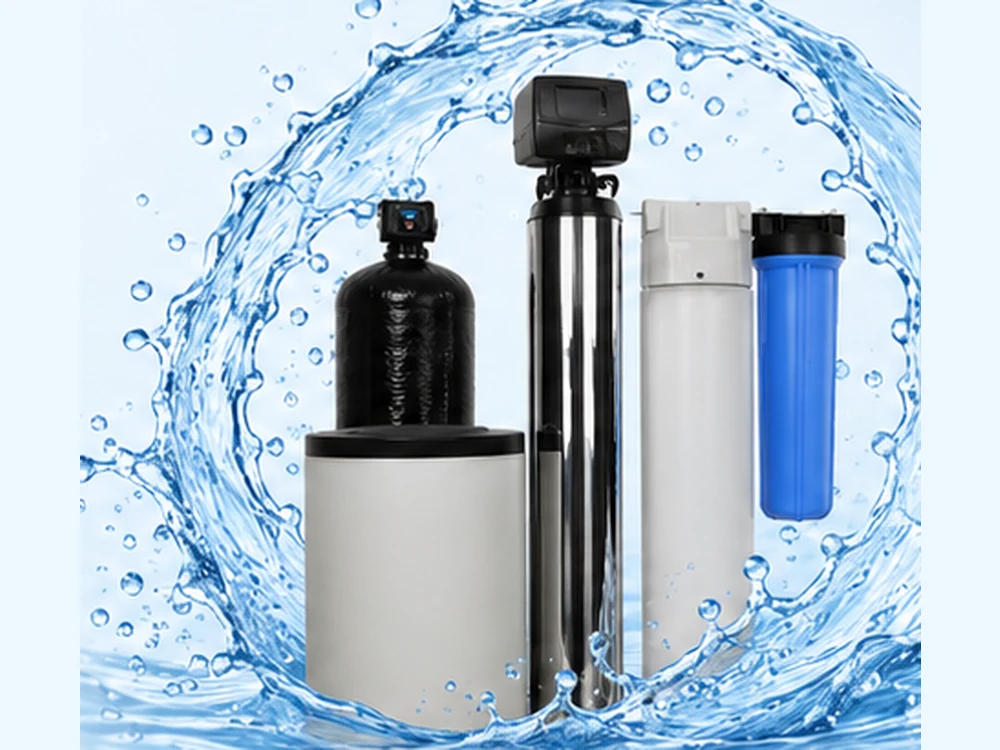
Whole-House Water Filtration
Treat water at the point where it enters the home with equipment selected around verified source and test evidence.
Explore whole-house water filtration →Research your provider, public-water-system ID, source water and current report—then compare whole-house filtration, water softeners, reverse osmosis and professional installation.
ZeroTrace Water provides sales, professional installation, testing support and financing options. The regional research helps organize the questions that should be answered first.
Treat water at the point where it enters the home with equipment selected around verified source and test evidence.
Explore whole-house water filtration →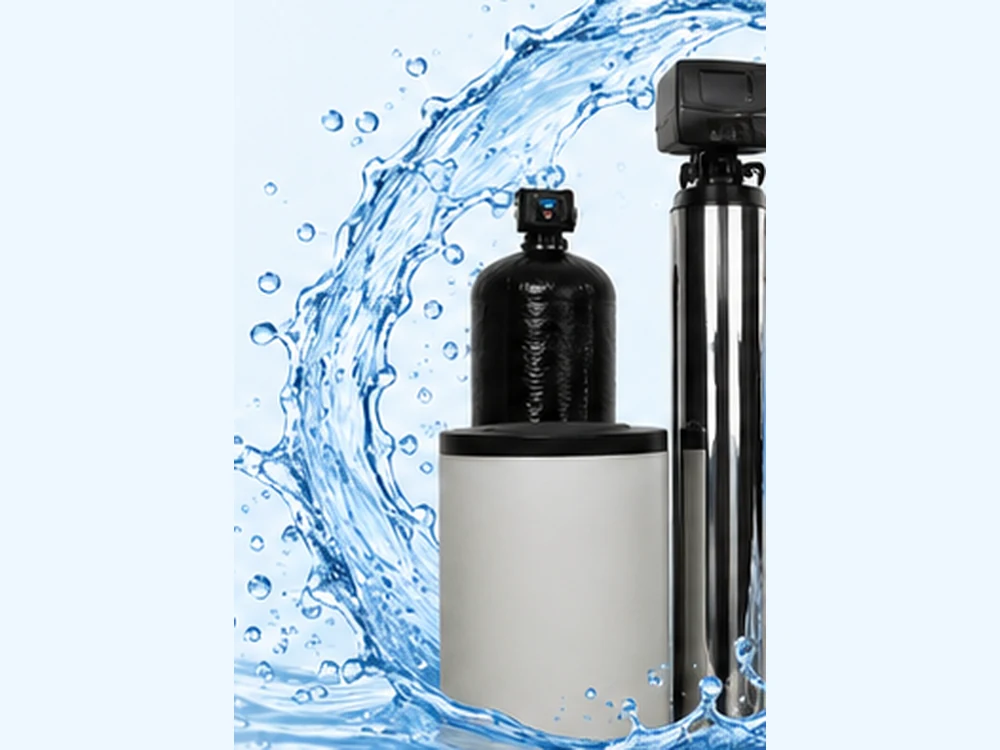
Reduce calcium and magnesium hardness that causes scale, soap inefficiency and appliance buildup.
Explore water softener systems →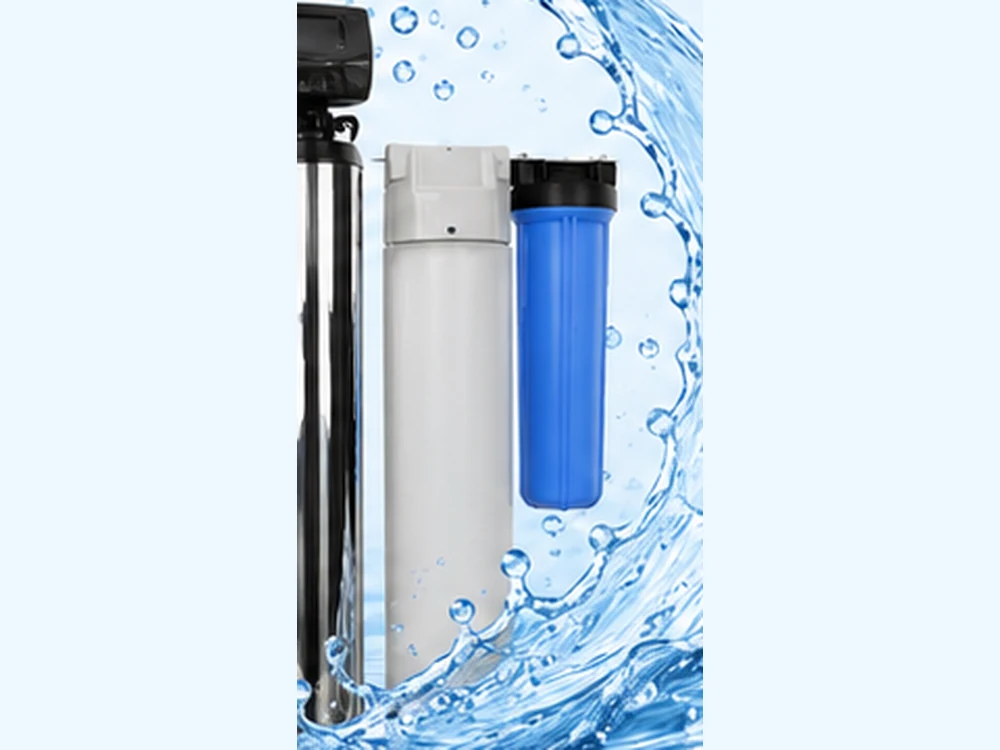
Use a point-of-use membrane system for drinking and cooking water after matching certified claims to the compounds of concern.
Explore reverse osmosis systems →The guides organize utilities, source-water profiles, PWSIDs, common ZIP research links and treatment questions. They do not replace the current bill or a property-specific test.
Ohio Drinking Water Watch identifies public systems by name, county, source type and PWSID. Ohio EPA also publishes PFAS sampling data and cyanotoxin monitoring information for participating treatment plants. Those records must be read by system, sample point, date and raw-versus-finished-water status.
Equipment should fit the evidence, household flow, plumbing layout, maintenance plan and budget.
Identify the provider, report, test result and the improvement the household wants.
Plan testing →Size each stage and verify model-specific reduction claims, flow and pressure.
Review installation →Ask about available programs. Approval, rates and terms depend on the third-party provider.
Explore financing →The site does not claim that one utility result represents every household, that every address in a ZIP shares a provider, or that one treatment system solves every concern. Methodology and editorial-policy pages use an 18–24 month routine review window, with earlier corrections for material changes.